
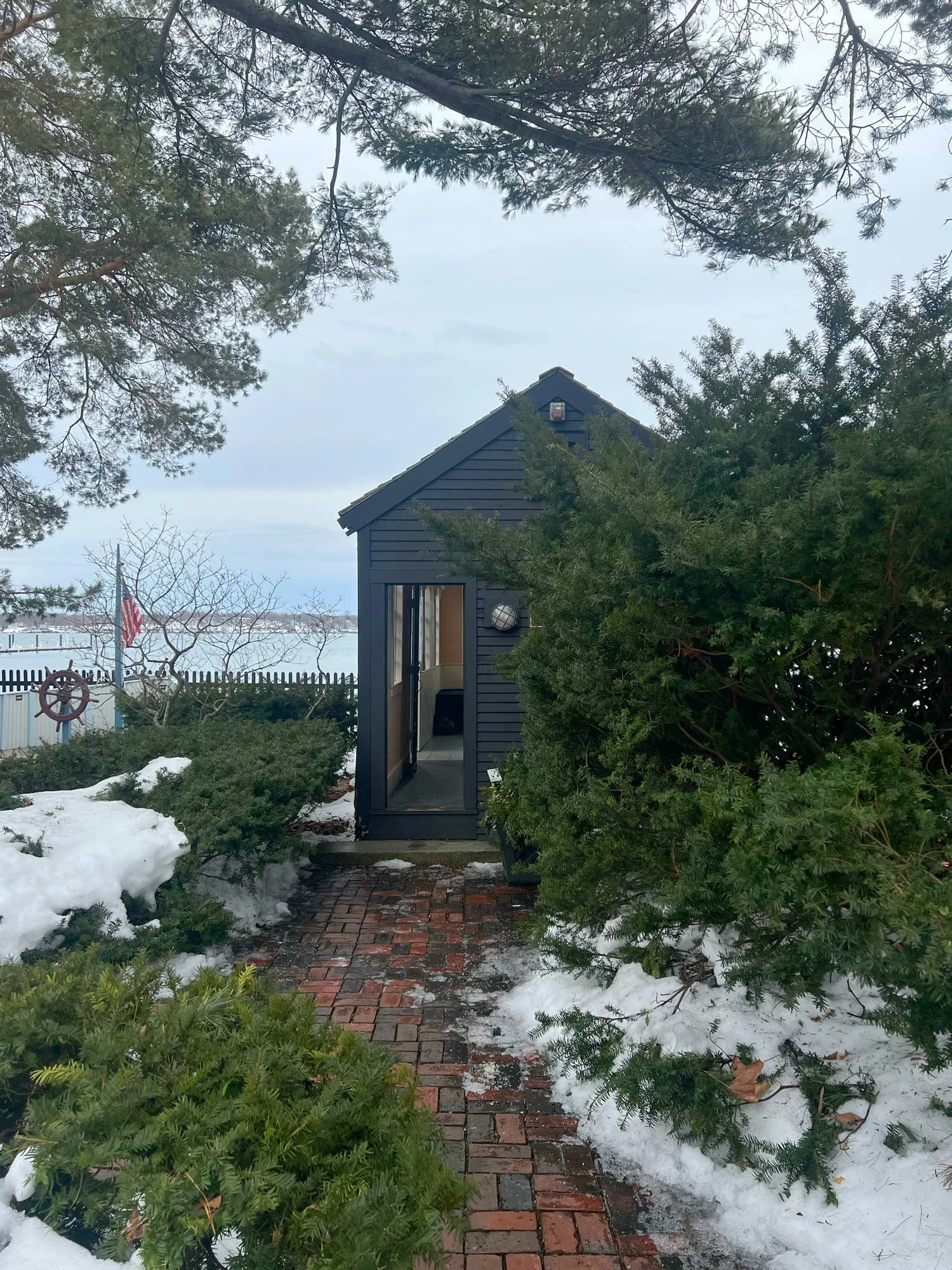
The House of Seven Gables Coastal Adaptation Masterplan
Salem, MA
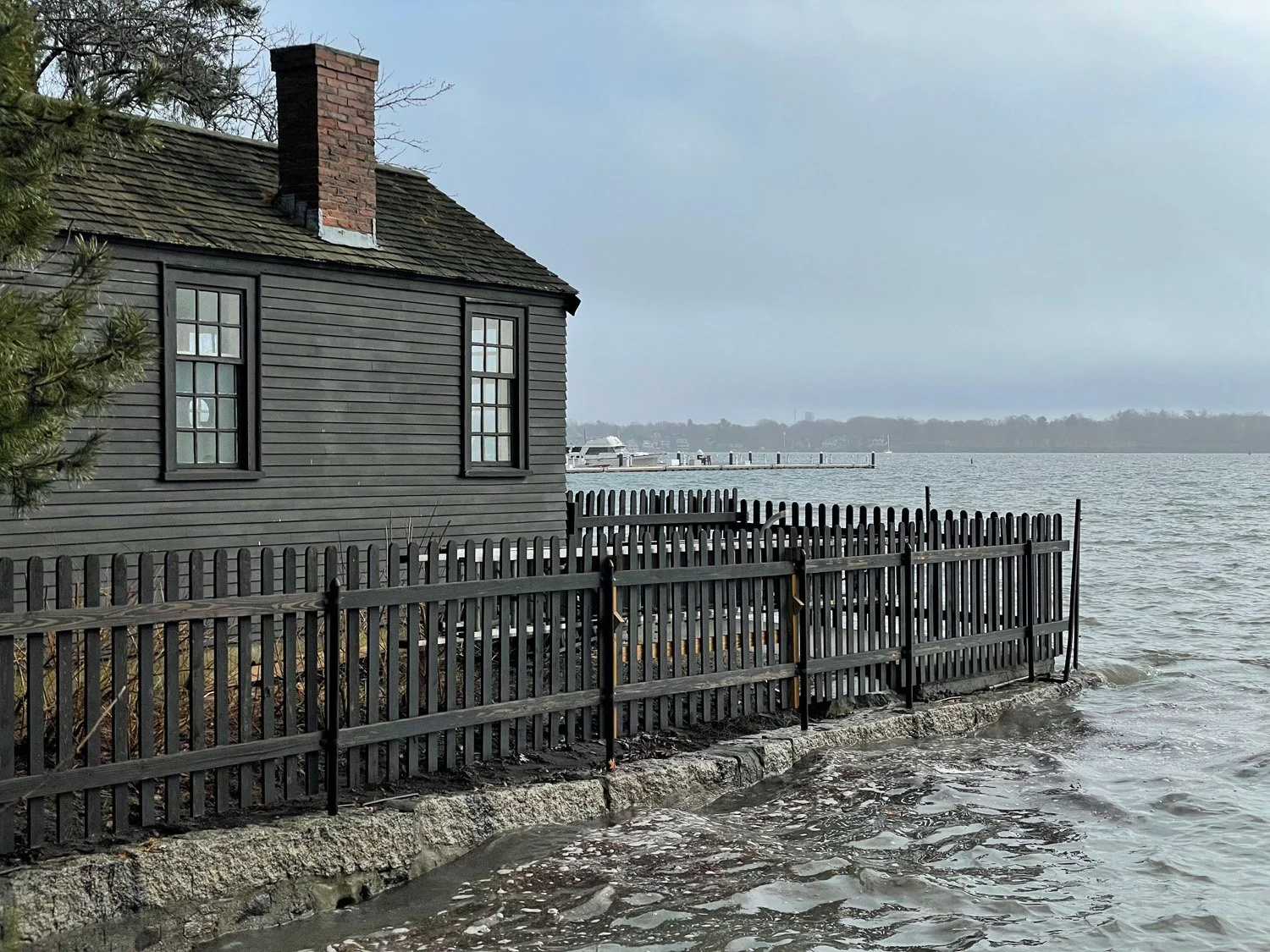
Landworks Studio is leading the landscape design and site adaptation strategy for the House of the Seven Gables Coastal Adaptation Masterplan, a long-term resilience initiative focused on protecting one of America’s most significant historic waterfront sites from the impacts of climate change and sea level rise. Located along Salem Harbor, the nationally recognized campus faces increasing threats from coastal flooding, storm surge, groundwater rise, and accelerated shoreline erosion.
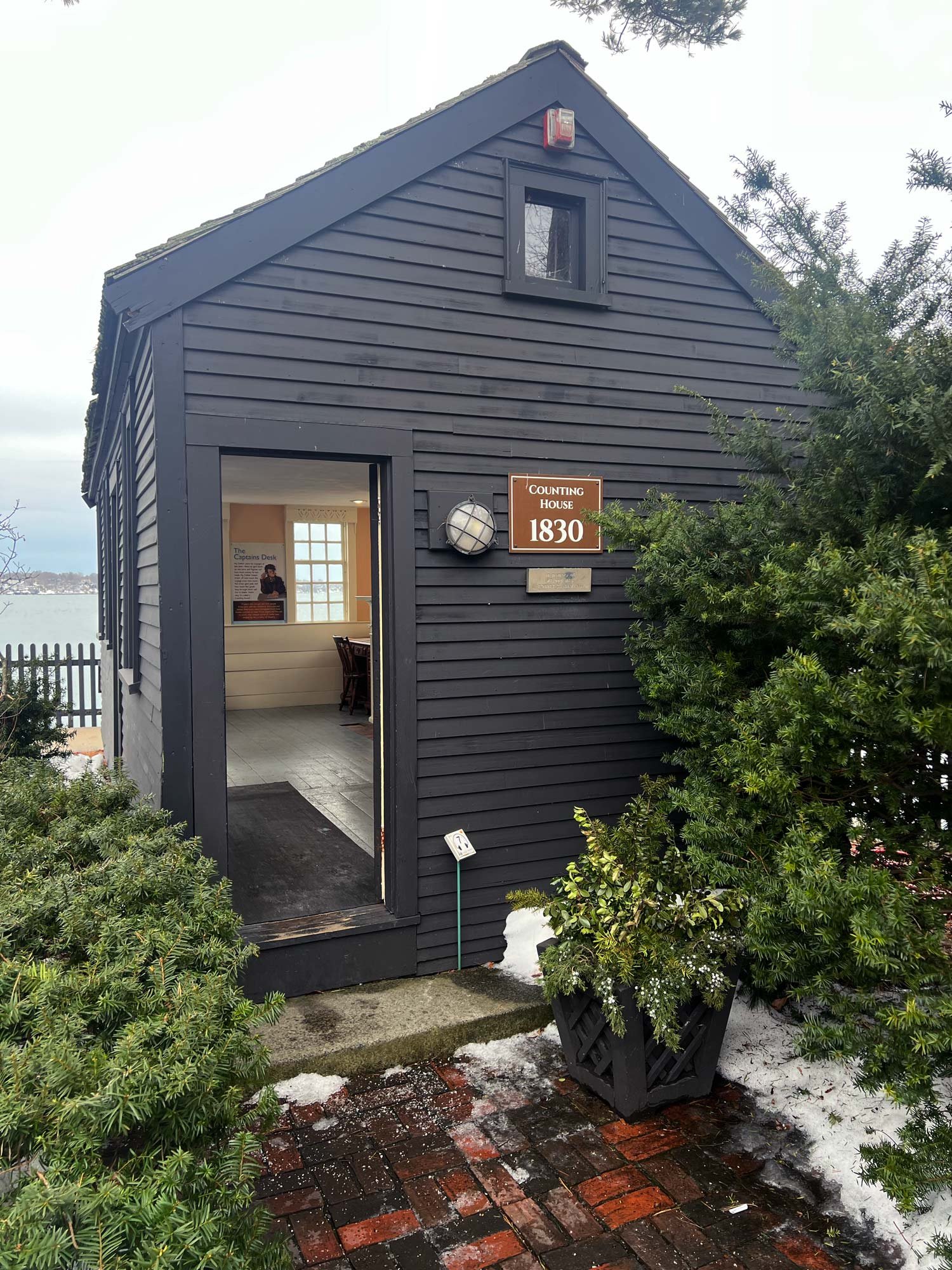
Counting House
Working as part of an interdisciplinary team alongside preservation architects, engineers, climate scientists, and local stakeholders, the project establishes a phased adaptation framework that balances historic preservation with environmental resilience. The masterplan addresses immediate vulnerabilities while creating a long-term strategy for the protection and potential relocation of historic structures over time. Phase 1a of the project, supported through a Coastal Resilience Grant administered by the Massachusetts Office of Coastal Zone Management, advances construction-ready design and permitting efforts for the relocation of the Counting House and floodproofing improvements to the Hooper-Hathaway House.
Client: House of Seven Gables
Project Team: Horsley Witten, Union Studio Architects, Barbara Warren Environmental
Status: In Progress
Context and Historical Site
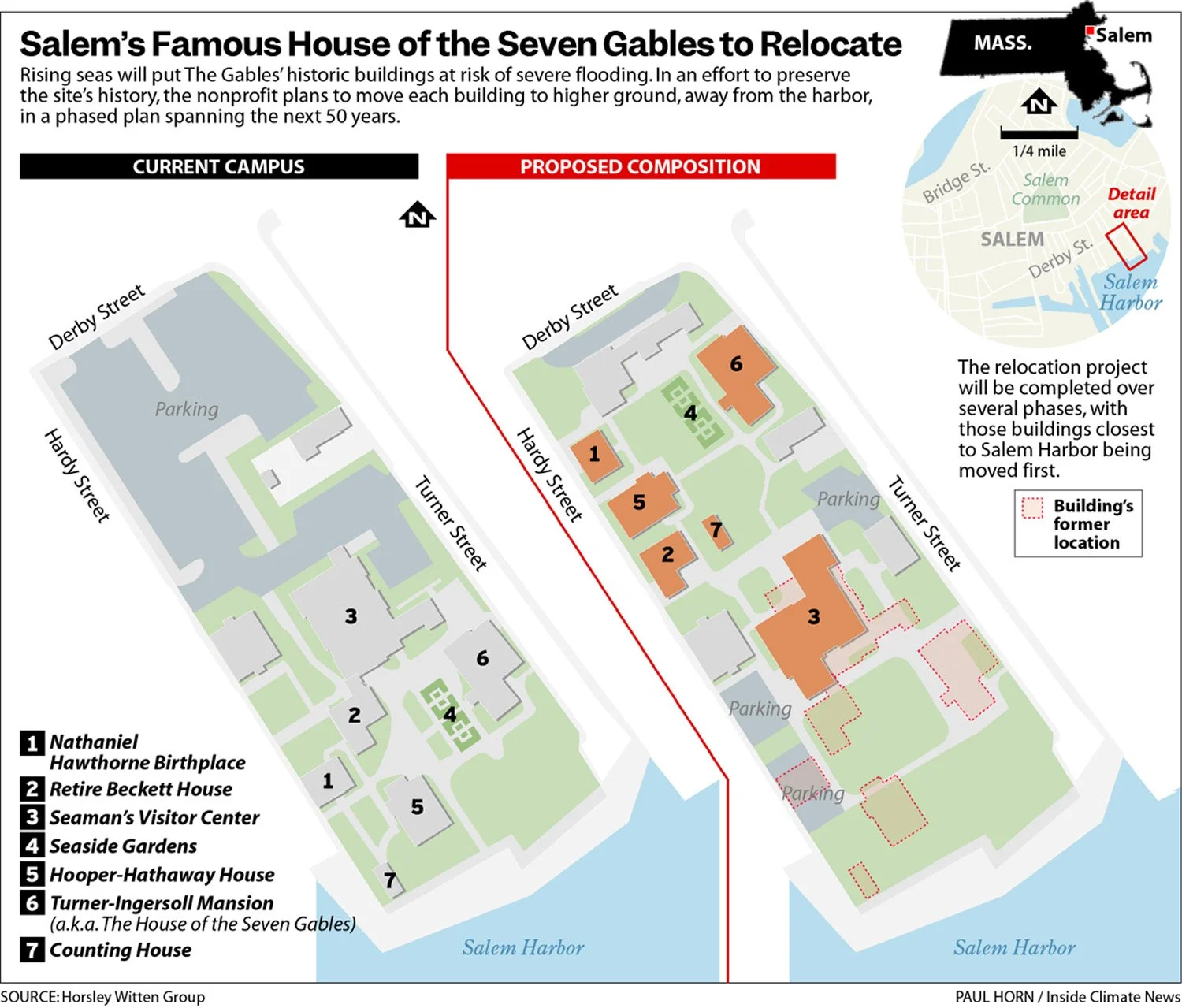
Landworks Studio’s role focuses on integrating resilient landscape infrastructure and site systems that support both ecological performance and public access. Proposed interventions include stormwater management improvements, shoreline stabilization strategies, grading and circulation modifications, and adaptable open space systems designed to accommodate future climate conditions while preserving the historic character of the campus. The project prioritizes flexible, phased implementation, allowing the site to evolve in response to measurable climate triggers and changing environmental conditions.
The project has emerged as a regional and national model for climate adaptation at historic sites, demonstrating how preservation, landscape architecture, and resilience planning can work together to safeguard cultural heritage while preparing vulnerable coastal environments for long-term change.